

When many people think about assisted living, they often focus on the support it provides with daily activities. While that assistance is certainly valuable, today’s assisted living communities offer much more than practical care. They are designed to help older adults maintain active, healthy, and fulfilling lives.
Good nutrition, regular exercise, and opportunities for social engagement all play an important role in healthy aging. In fact, the small routines that happen every day, sharing meals, taking a fitness class, joining a group activity, or simply spending time with friends, can have a meaningful impact on a senior’s overall well-being.
For families exploring care options, understanding these everyday advantages can help shift the conversation from simply meeting needs to helping a loved one truly thrive within assisted living in Highland Park.

Why Wellness Becomes More Important with Age
As we grow older, our bodies and lifestyles naturally change. Muscle mass gradually decreases, balance may become less steady, and certain health conditions can make it more difficult to stay active. At the same time, appetite and nutritional needs often change as well.
Many older adults also experience life transitions that can affect their emotional well-being. Retirement, the loss of a spouse, or living alone may lead to feelings of loneliness or isolation.
A proactive approach to wellness can help address many of these challenges. Healthy eating, consistent physical activity, and meaningful social interactions work together to support independence and improve quality of life.
Assisted living communities are uniquely positioned to make these healthy habits part of everyday life, creating an environment where seniors can focus on enjoying each day rather than managing everything on their own.
The Role of Nutrition in Healthy Aging
Good nutrition provides the foundation for overall health. A balanced diet helps support energy levels, strengthens the immune system, maintains muscle and bone health, and contributes to cognitive function.
However, preparing nutritious meals every day can become increasingly difficult for some seniors. Shopping, cooking, and cleaning up afterward may feel physically demanding or simply less enjoyable than they once did.
One of the many advantages of assisted living is access to chef-prepared meals that are thoughtfully planned to meet the nutritional needs of older adults. Many communities also accommodate special dietary requirements, including heart-healthy, diabetic-friendly, or low-sodium meal plans.
Having access to balanced meals every day helps remove the stress of meal preparation while encouraging healthy eating habits.
Beyond the Plate: The Social Benefits of Shared Meals
Nutrition is about more than food alone. For many seniors, eating by themselves every day can contribute to feelings of isolation. Shared dining experiences provide opportunities to connect with friends, engage in conversation, and build a sense of community.
Something as simple as enjoying breakfast with neighbors or gathering for a holiday meal can create moments of joy that positively affect emotional well-being.
Many families are pleasantly surprised to see their loved ones become more socially active after moving into an assisted living community, simply because regular opportunities for connection are built into everyday life.
How Regular Exercise Supports Independence
Exercise is one of the most effective ways to help older adults maintain their independence. Staying active can improve strength, flexibility, balance, and endurance, making everyday tasks easier and reducing the risk of falls.
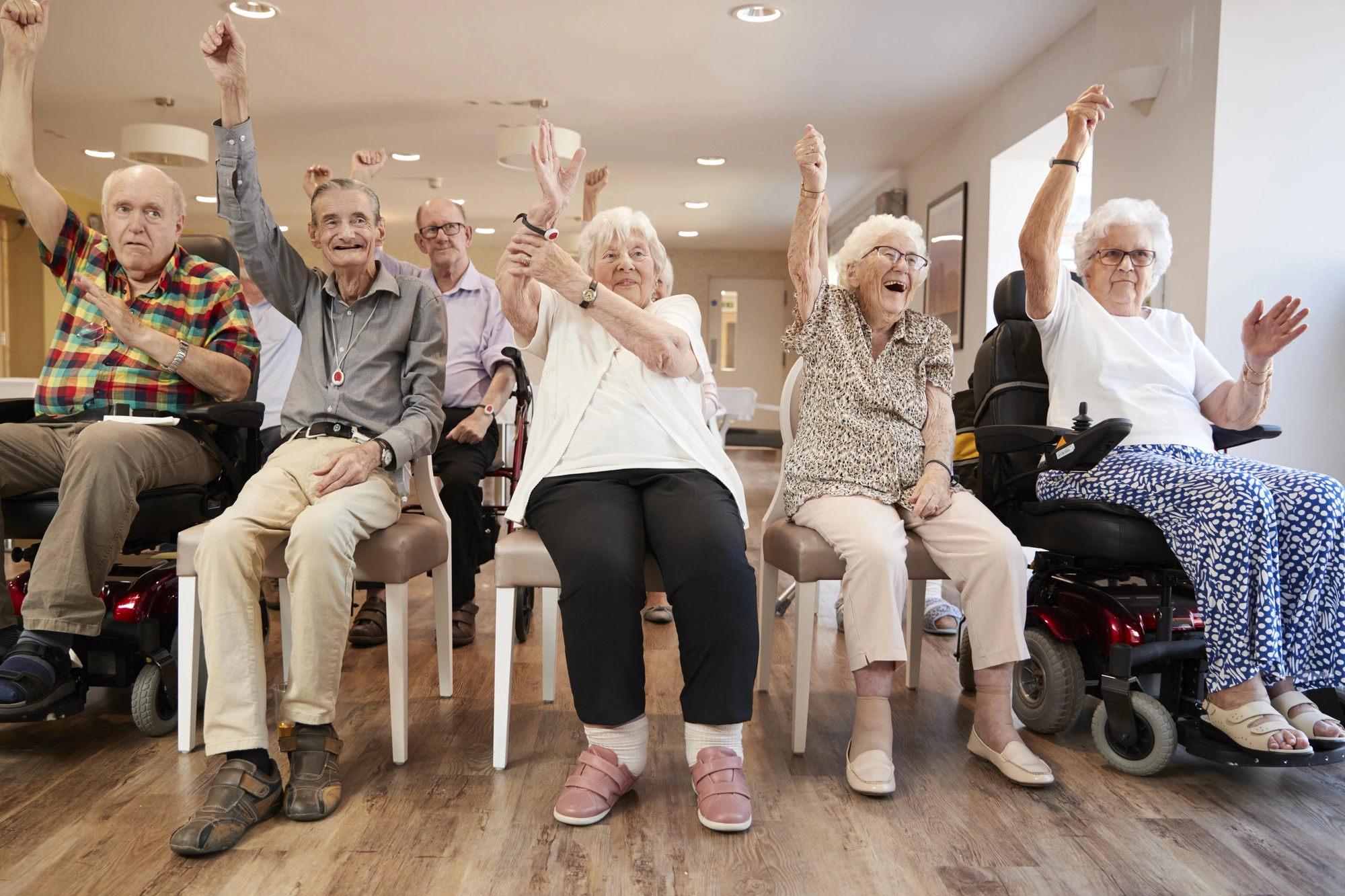
Fortunately, exercise in assisted living doesn’t have to mean strenuous workouts. Most communities offer a variety of activities designed specifically for older adults, allowing residents to participate at a pace that feels comfortable.
Popular Wellness Activities
- Walking clubs
- Gentle stretching classes
- Balance and stability exercises
- Low-impact fitness programs
- Group movement activities
These programs not only encourage physical health but also create opportunities for residents to socialize and motivate one another.
Daily physical activity can help seniors:
- Improve balance and coordination.
- Maintain muscle strength.
- Increase flexibility.
- Support heart health.
- Boost mood and energy levels.
- Stay independent longer.
Over time, these small daily efforts can make a significant difference in overall health and confidence.
Wellness Goes Beyond Physical Health
True wellness includes emotional, social, and mental well-being in addition to physical health. Many assisted living communities recognize this by offering a wide variety of programs that encourage residents to stay engaged and connected.
Book clubs, educational seminars, hobby groups, art classes, game nights, and community outings all provide opportunities for personal growth and friendship.
Social interaction is especially important for older adults. Studies have shown that maintaining strong social connections can contribute to improved mood, lower stress levels, and greater overall life satisfaction.
Having a community of peers nearby also creates a valuable support system where residents can share experiences, celebrate milestones, and enjoy everyday moments together. Rather than spending long hours alone, many seniors discover new interests and friendships that enrich their lives.
The Power of Routine and Structure
One of the often-overlooked benefits of assisted living is the sense of routine it provides.
Consistent daily schedules help create stability and reduce the stress of managing multiple responsibilities. Meals are served at regular times, activities are planned throughout the week, and opportunities for exercise and social engagement are readily available.
For seniors adjusting to retirement or significant life changes, this structure can be incredibly comforting.
Knowing what each day holds can encourage participation, reduce feelings of uncertainty, and help create a positive rhythm that supports both physical and emotional wellness.
Small routines often become the building blocks of long-term healthy habits.
How Assisted Living Helps Families, Too
The benefits of a wellness-focused environment extend beyond the residents themselves. Family members also gain peace of mind knowing their loved one has access to nutritious meals, regular opportunities for exercise, and meaningful social interactions.
Many adult children find themselves balancing careers, raising families, and caring for aging parents at the same time. While they want to provide the best possible support, the demands of caregiving can become overwhelming.
Assisted living communities help ease that burden by providing daily assistance and wellness opportunities in one supportive setting.
Instead of spending visits managing household chores or coordinating appointments, families can focus on what matters most: enjoying quality time together and creating meaningful memories.
A Healthier, More Connected Way to Age
Healthy aging is much more than receiving care. It is about having the opportunity to enjoy each day, stay active, build friendships, and maintain a sense of purpose.
Nutrition, exercise, and wellness programs work together to help older adults feel their best physically, mentally, and emotionally. Assisted living communities create an environment where these healthy habits become part of everyday life, making it easier for seniors to thrive.
For many families, the decision to explore assisted living is not simply about finding support; it’s about choosing a lifestyle that encourages connection, confidence, and overall well-being.
Frequently Asked Questions
Do assisted living communities accommodate special dietary needs?
Yes. Many communities offer meal plans that can accommodate dietary restrictions and medical needs, including diabetic-friendly, heart-healthy, and low-sodium options.
What kinds of exercise programs are typically available?
Assisted living communities often provide activities such as walking clubs, chair yoga, stretching classes, strength-building exercises, and balance training designed specifically for older adults.
Can assisted living help reduce loneliness?
Absolutely. Community dining, social events, group activities, and shared interests create regular opportunities for seniors to build friendships and stay connected.
Is assisted living only for seniors who need extensive care?
No. Many older adults choose assisted living because they want a maintenance-free lifestyle with access to support, wellness programs, and an active community environment.

Discover a Community That Supports Healthy Aging with Assisted Living in Highland Park
Our team at Senior Living Experts believes that choosing an assisted living community entails finding a place where your loved one can enjoy life to the fullest. Nutritious meals, engaging activities, regular exercise, and meaningful social connections all contribute to a healthier and happier future.
Contact us today to learn more about assisted living options and receive personalized guidance in finding a community that matches your loved one’s unique needs, interests, and lifestyle goals.