
Modern memory care communities are increasingly focused on helping seniors living with Alzheimer’s disease and other forms of dementia experience comfort, connection, dignity, and emotional wellbeing each day. While safety and healthcare remain essential, meaningful engagement has become an equally important part of quality memory care.
Music, art, and sensory activities are powerful therapeutic tools that can help seniors with memory loss feel calmer, more connected, and more engaged with the world around them. These activities are designed not only to stimulate cognitive function, but also to create moments of joy, familiarity, and emotional comfort.
For many families exploring memory care in Elmhurst, understanding the role of these therapies can provide reassurance that their loved one’s emotional and social needs will also be supported.

Why Engagement Matters in Memory Care
Dementia affects much more than memory alone. As cognitive changes progress, seniors may also experience difficulties with communication, daily routines, concentration, and emotional regulation. This can sometimes lead to frustration, anxiety, confusion, or withdrawal from social interaction.
For many seniors, isolation can become one of the most difficult aspects of memory loss. Without consistent engagement and support, feelings of loneliness and disconnection may increase over time.
That is why therapeutic activities play such an important role in memory care communities.
Benefits of Structured Engagement
- Mental stimulation
- Emotional comfort
- Social interaction
- Familiar daily routines
- Positive experiences and connection
These activities are carefully designed to meet residents where they are emotionally and cognitively. Rather than focusing on limitations, memory care programs aim to create opportunities for residents to participate in meaningful moments that support quality of life.
The Benefits of Music in Memory Care
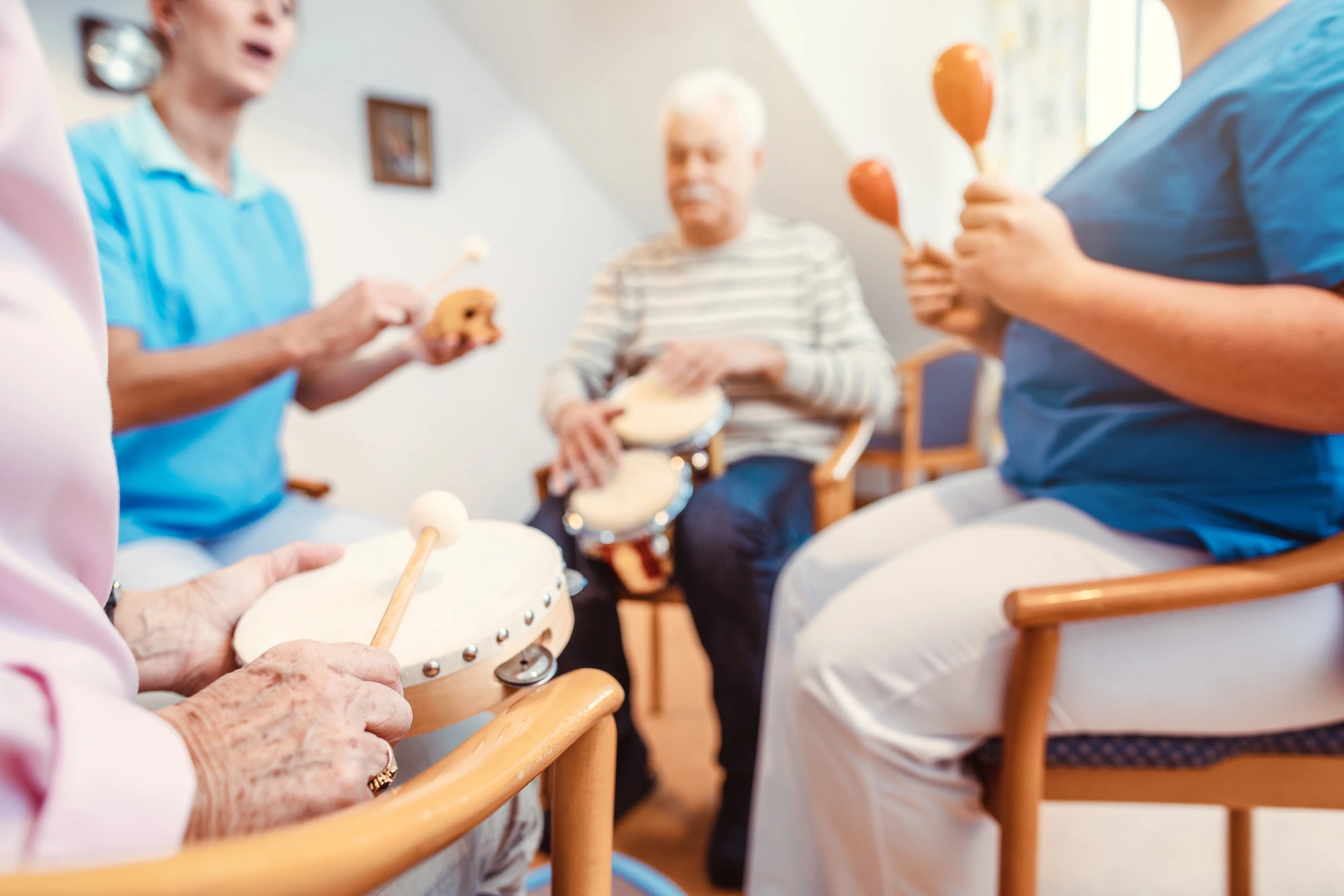
Music is one of the most effective and widely used therapeutic tools in memory care. Even when verbal communication becomes difficult, music often remains emotionally familiar and comforting.
A favorite song from decades ago may trigger memories, emotional responses, or moments of recognition that feel deeply meaningful to both seniors and their families.
Why Music Has Such a Powerful Effect
Scientific research and real-world experience have shown that music can stimulate areas of the brain connected to long-term memory and emotion. Seniors who struggle with conversation may still sing along to familiar songs or respond emotionally to melodies they recognize.
Music activities in memory care communities may include:
- Group sing-alongs
- Personalized music playlists
- Gentle movement or dance sessions
- Live music performances
- Relaxing background music during meals or quiet times
These experiences can create moments of comfort and connection that help residents feel more relaxed and engaged.
Emotional and Cognitive Benefits of Music
Music therapy and musical activities may help:
- Reduce stress and agitation
- Improve mood and emotional wellbeing
- Encourage communication
- Increase social interaction
- Create feelings of familiarity and comfort
For some seniors, music can help reduce anxiety during difficult moments and provide a calming sense of routine. Families are often touched by the way music can help loved ones reconnect emotionally, even during advanced stages of memory loss.
The Role of Art Therapy and Creative Expression
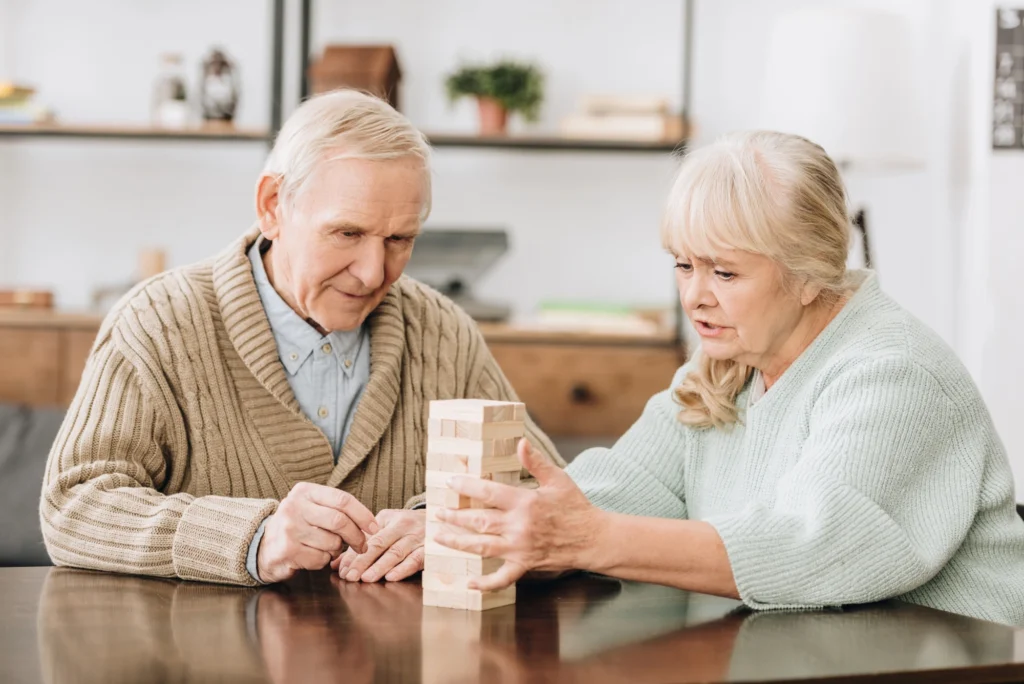
Art therapy offers another valuable form of engagement in memory care settings. Creative activities allow seniors to express themselves without the pressure of finding the “right” words. The focus is not on artistic ability or perfection, but rather on participation, creativity, and enjoyment.
Creativity Without Pressure
Many seniors find art activities soothing and rewarding because they encourage self-expression in a calm and supportive environment. Residents can participate at their own pace and comfort level.
Common art activities in memory care communities include:
- Painting
- Drawing
- Crafts
- Coloring
- Seasonal projects
- Simple hands-on creative activities
These activities help residents remain engaged while also providing a sense of accomplishment.
Benefits of Art in Memory Care
Art therapy and creative activities may help:
- Encourage focus and concentration
- Reduce anxiety and stress
- Provide emotional expression
- Build confidence and self-esteem
- Create opportunities for social connection
Art can also create meaningful interactions between seniors, caregivers, and family members. Completing a project together or discussing artwork can open doors to communication and shared experiences.
How Sensory Activities Support Comfort and Calmness
Sensory activities are another important part of memory care programming. These activities are designed to gently stimulate the senses, including touch, sight, sound, smell, and movement.
Because dementia can sometimes make the world feel confusing or overwhelming, sensory engagement often helps residents feel more grounded and comforted.
What Are Sensory Activities?
Sensory experiences in memory care may include:
- Soft textures and sensory blankets
- Gardening or outdoor activities
- Nature walks
- Gentle hand massages
- Calming lighting or soothing music
- Familiar objects or photographs
These activities are typically tailored to each resident’s preferences and needs.
Why Sensory Stimulation Helps
Sensory engagement may provide several important benefits, including:
- Reduced anxiety and restlessness
- Emotional comfort and familiarity
- Better emotional regulation
- Improved overall quality of life
For example, the scent of fresh flowers or the texture of a favorite blanket may create a sense of familiarity and reassurance for someone experiencing memory loss.
The Importance of Personalized Memory Care Programs
Every person experiences dementia differently. Some residents may respond strongly to music, while others find greater comfort in art, sensory experiences, or one-on-one interaction. This is why personalized memory care programs are so important.
Tailored Activities Create Meaningful Experiences
Memory care communities often personalize activities based on:
- Personal history
- Hobbies and interests
- Favorite music or movies
- Cognitive ability
- Emotional comfort levels
- Cultural background and traditions
This personalized approach helps residents feel valued and understood rather than treated as though they are one of many.
Meaningful engagement can also help preserve a sense of identity and independence. Even small moments of enjoyment or connection can have a positive impact on emotional wellbeing.
How Families Benefit from Therapeutic Activities
Memory care activities do not only benefit residents; they can also provide reassurance and emotional relief for families.
Watching a loved one participate in music, art, or sensory programs often helps families see moments of joy, calmness, and engagement that may have become less common at home. These experiences can strengthen emotional connections and create meaningful shared moments.
Families often feel comforted knowing their loved one is:
- Socially engaged
- Emotionally supported
- Participating in enriching daily routines
- Receiving compassionate, personalized care
Therapeutic activities also help shift the focus from what dementia has taken away to the meaningful experiences that are still possible.
Frequently Asked Questions About Memory Care
What is the difference between assisted living and memory care?
Memory care is a specialized form of senior care designed specifically for individuals with Alzheimer’s disease or other forms of dementia. These communities offer enhanced safety measures, structured routines, and staff trained in dementia care.
Assisted living communities provide the help required to live happy and fulfilling lives while still offering the feeling of independence for individuals who do not have specific care needs.
Do sensory activities help reduce anxiety?
Sensory activities can often create calming and reassuring experiences for seniors with memory loss. Familiar scents, textures, sounds, and environments may help reduce restlessness and emotional distress.
When should families consider memory care?
Families may begin exploring memory care when a loved one’s cognitive changes begin affecting safety, daily routines, social interaction, or overall quality of life.

Discover Compassionate Memory Care in Elmhurst That Supports the Whole Person
Our team at Senior Living Experts knows that music, art, and sensory activities play a valuable role in helping seniors with memory loss feel calmer, more connected, and emotionally supported.
Today’s memory care communities focus not only on safety and medical needs, but also on dignity, comfort, and meaningful daily engagement.
If your family is exploring memory care options, compassionate guidance can help you find a community that provides personalized support and enriching experiences for your loved one.
Call us today or contact us online to learn more about memory care solutions in Elmhurst and how specialized programs can help support quality of life for both seniors and their families.